

No single category is most profitable for everyone, but the most profitable ecommerce business ideas share three traits: repeat purchase, low returns and light shipping. Beauty, pet supplies, subscriptions and electronics accessories score well on all three. Accessories average an 11 to 15 per cent return rate, against 25 to 40 per cent for fashion. Profit follows unit economics rather than category, so model your cost, freight and returns before you choose.


14 Ecommerce Business Ideas in India to Start in 2026
Fourteen ecommerce business ideas for Indian founders, each weighed on returns, compliance and restocking cost, plus the supplies, investment bands and early mistakes that decide which one survives.
Key Takeaways
•Two-thirds of new direct-to-consumer orders now start in Tier II and Tier III cities, which quietly changes which ecommerce business ideas are worth your money this year.
•Clothing is the category most new sellers pick first, and it is also the one with the heaviest return burden in the market, at 25 to 40 per cent on cash orders.
•Selling through a marketplace usually cancels the ₹40 lakh registration threshold, though a 2023 notification reopened a narrow route for sellers who stay inside one state.
Sixty-six per cent of new direct-to-consumer (D2C) orders in India now start in Tier II and Tier III cities. That one number should change how you read every list of ecommerce business ideas, including this one. The buyer you are picturing is probably not the buyer placing the order.
Ideas are the cheap part. Most online business ideas fail on the unglamorous stuff: a category that comes back as returns, a compliance step nobody mentioned, or stock that costs too much to replace. So this list does something the usual roundups skip. Every one of these ecommerce business ideas in India is weighed on three things: stocking cost, return rate, and your tax position on day one.
Amazon Business sits on the supply side of most of these ideas, which is where the margin maths starts. Let's get into the list.
E-commerce Business Ideas to Start in India
Fourteen ecommerce business ideas follow, grouped the way a buyer shops rather than the way a seller thinks. For each one you get the demand signal and the operating catch that comes with it. Treat it as a shortlist exercise: pick two or three online store business ideas that match your capital and your patience, then test one properly before adding a second.
These are the best products to sell online only if the numbers behind them work for you, so the notes matter more than the headings. Several of these ecommerce product ideas and products to sell online in India carry real ecommerce business opportunities for a first-time seller, and the quietest entries often pay best.
1. Niche Fashion Store
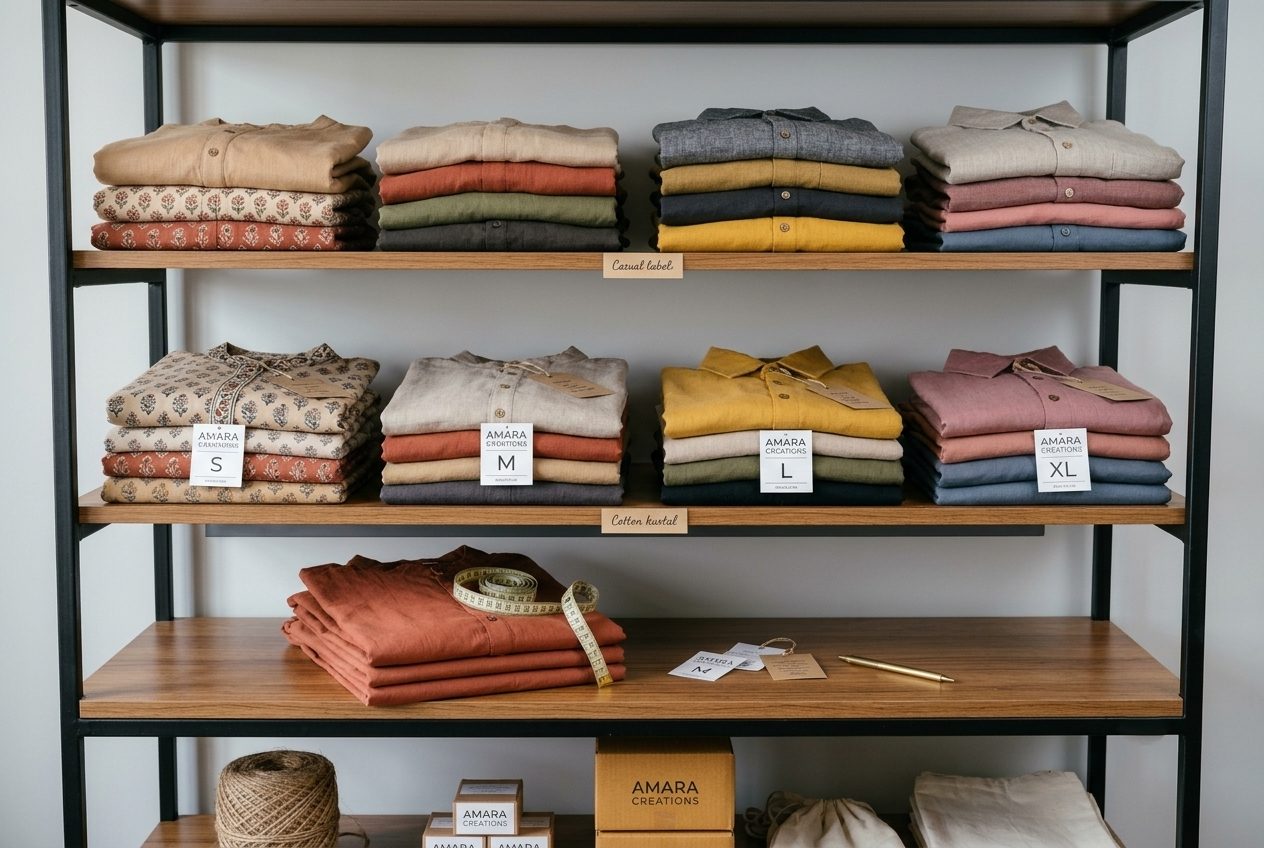
Clothing tops every list of e-commerce business ideas, and it is also where most new sellers learn about returns the hard way. A niche apparel business concentrates on one body type, one fabric, one occasion or one region, which gives you a reason to exist next to the large labels.
The catch is sizing. Fashion and apparel carry a return-to-origin (RTO) rate of 25 to 40 per cent on cash-on-delivery (COD) orders, the heaviest in the market. At the top of that range, two parcels in five come home. Price for that before you price against the competition. Run an online clothing business with real garment measurements on every listing, a detailed size chart and a prepaid discount, and you claw back a good part of that. Start with 40 to 60 pieces across three sizes rather than a full range.
Beauty & Personal Care Store
Beauty repeats. Someone who likes a face wash buys it again in six weeks, which is why this category rewards patience more than novelty. India's beauty and personal care market is projected to reach a gross merchandise value of ₹2,60,610 crore by CY27, growing at roughly 10 per cent a year.
An online beauty products store works best when you pick one shelf, say oily-skin care or beard grooming, and stock it deeply. Watch shelf life and batch numbers, because expiry-dated stock is unforgiving. Source wholesale beauty supplies in small, frequent lots until you know which three products carry the rest of the range.

3. Home & Kitchen Products
Home and kitchen is a steady category with a weight problem. Storage racks, cookware and organisers sell all year, but shipping cost rises with every centimetre of box, so a ₹399 product can carry ₹120 of freight before you notice.
The fix is to pick items that are small, dense and hard to break: silicone moulds, knife sets, storage jars with screw lids. Demand here travels well into smaller cities, which matters when two-thirds of new D2C orders already start there. Keep your first range under 30 items so you learn packaging before you learn breakage.
4. Personalised & Gift Products
Personalised goods have a property almost nothing else in retail has. They are made after the money arrives, so you hold no stock and take very few returns. A print on demand business covers mugs, cushions, posters and t-shirts, while an online gift shop business adds hampers, cards and festive boxes.
Margins are healthy because the buyer is paying for the personal touch, not the object. Corporate gifting is the bigger prize, since one human resources order can equal 200 consumer orders. Keep print turnaround under 48 hours, because a gift is always bought against a date.
5. Handmade & Creative Products
A handmade products business is the easiest thing on this page to start from a spare room: candles, soaps, resin art, block-printed textiles, jewellery. The ceiling is your own hands, so plan for the moment you either hire or move to small-batch production.
The compliance position is friendlier here than most people expect. A seller supplying through a marketplace inside a single state, and below the registration threshold, may be able to enrol rather than register. The 2023 notification that allows it is covered further down this page. Price for your hours as well as your materials, which is where most craft sellers lose money.
6. Health, Fitness & Wellness Products
Resistance bands, yoga mats, shakers, posture correctors and supplements sell on the rhythm of a resolution, so expect sharp peaks in January and just after the festive season. Non-consumable fitness gear returns far more gently than apparel, because fit matters less.
Supplements are a different animal. They are food products, they need licences, and health claims are regulated, so check with a professional before you write a line of product copy. Start with accessories, prove the audience is real, then decide whether the licensing effort is worth it.
7. Pet Products Store
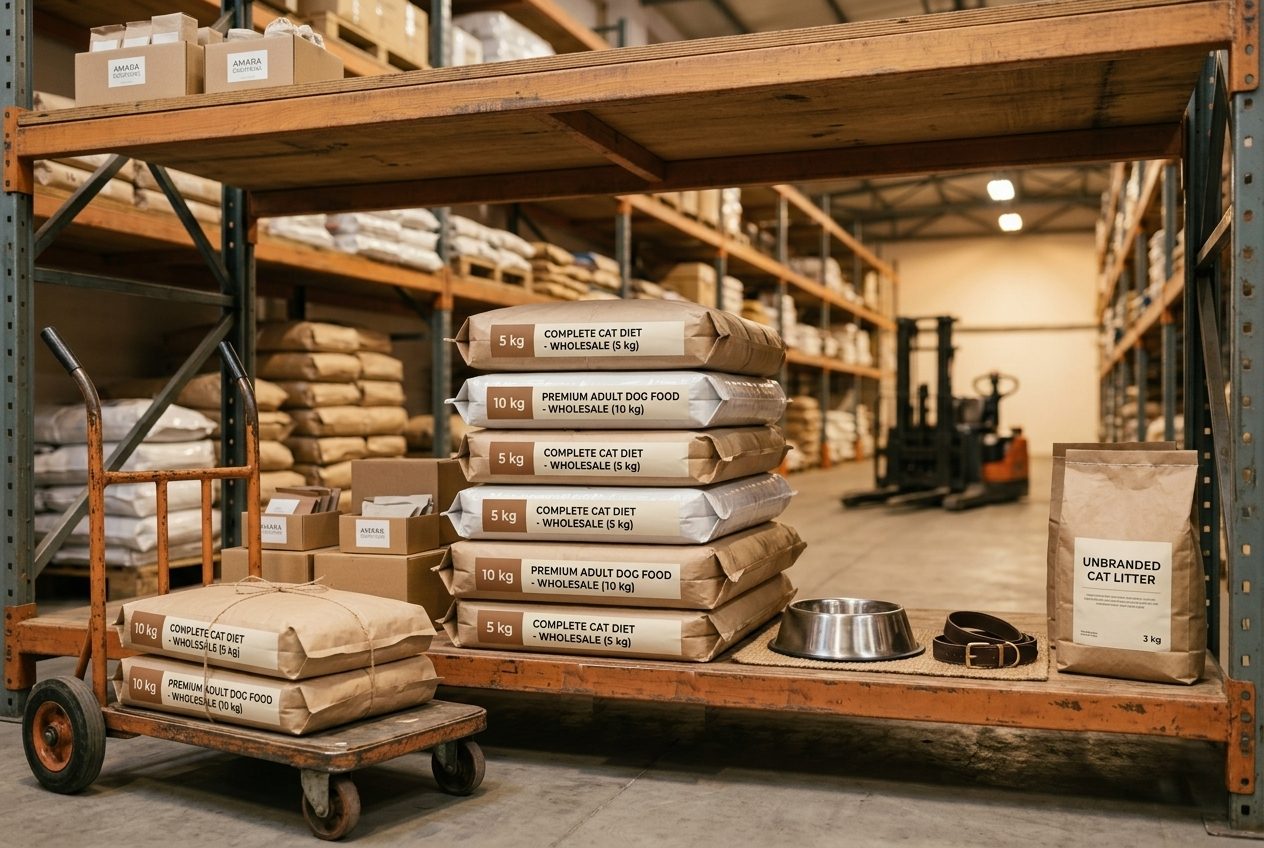
Pet spending in India roughly doubled between 2019 and 2024, and most estimates place long-term growth near 20 per cent a year. Better still for a seller, pet food accounts for an estimated 70 to 80 per cent of category value. That means the money sits in a monthly repeat purchase rather than a one-off.
Stock food and litter first, accessories second. The catch is bulk, because a 10 kg bag is heavy and low-margin, so negotiate freight before you negotiate price.
8. Kids & Educational Products
Learning kits, flash cards, art supplies, school stationery and activity books have two buyers: parents all year, and schools in a June rush. The second buyer is the interesting one, because an institution orders in hundreds and reorders on a timetable.
Safety matters more than margin in this category. Small parts, paint toxicity and age labelling are the things that get a listing pulled. Sell in bundles rather than single items, because a ₹150 order rarely survives its own shipping cost.
9. Office & Business Supplies
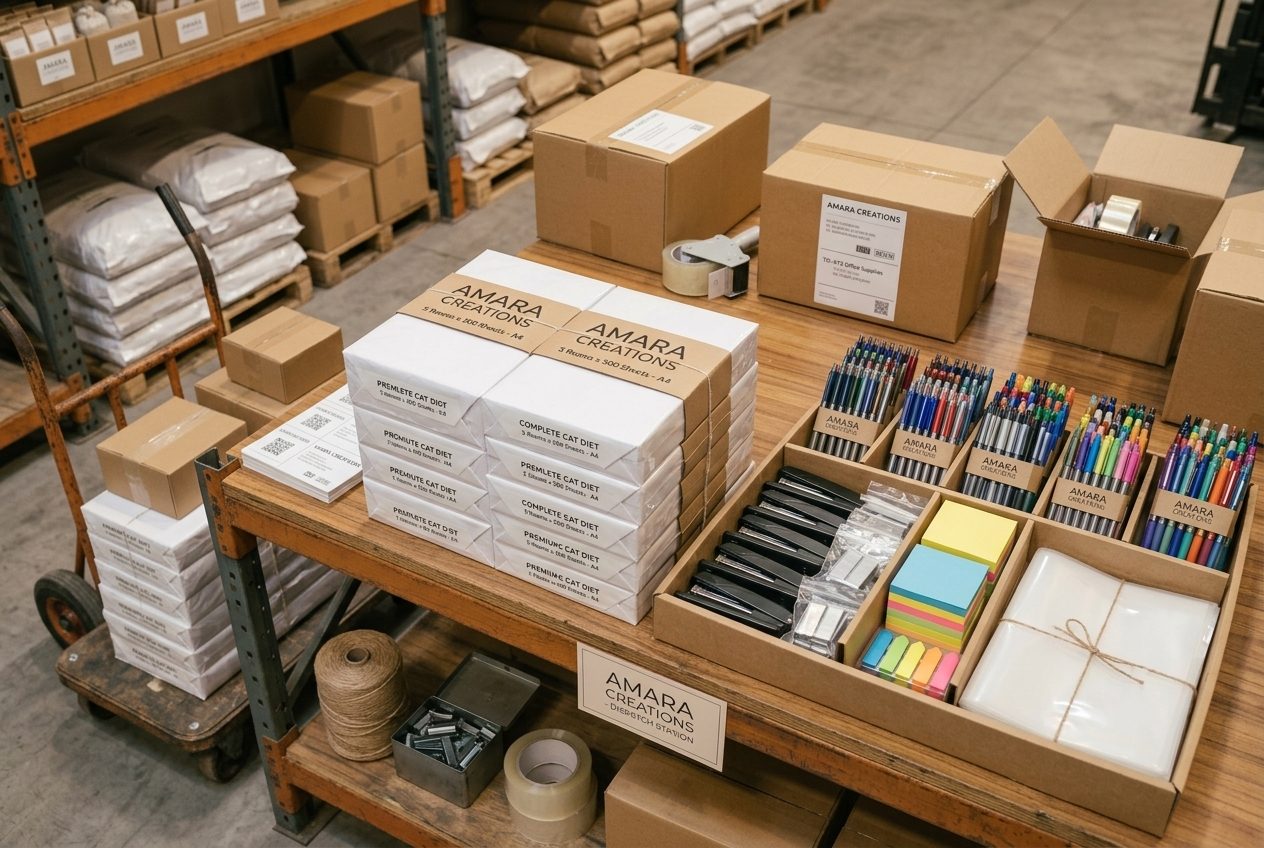
Selling to businesses is slower to start and far steadier once it does. Paper, files, pens, whiteboards, printer consumables and desk accessories reorder on a cycle you can forecast. A business buyer almost never sends back a box of pens because they changed their mind.
You will need a GST (Goods and Services Tax) invoice on every sale, because your buyer is claiming input tax credit on it. Source office supplies at wholesale rates, hold your 20 fastest movers in stock, and let the slow tail ship on order.
10. Eco-Friendly Products
Bamboo toothbrushes, cloth bags, steel straws, compostable mailers and refill cleaners sell on belief, and belief is fragile. The rule here is simple: do not claim what you cannot show.
Keep your supplier certificates, say exactly what the product is made of, and avoid vague green language that invites complaints. Prices sit 20 to 40 per cent above the plastic equivalent, so the buyer needs a reason beyond virtue, which is usually durability. Corporate buyers are the quiet opportunity, because sustainability targets turn into purchase orders.
11. Food & Specialty Products
Regional food travels well online: millet snacks, cold-pressed oils, pickles, filter coffee, dry fruit. An online grocery business built on specialty items beats one built on staples, because staples compete on price with quick commerce and specialty does not.
Licensing is non-negotiable and food labelling rules are detailed, so consult a professional before you list anything. Shelf life then governs everything else. Anything with under six months of life needs fast turns, so start with a narrow range and watch sell-through weekly rather than monthly.
12. Electronics Accessories
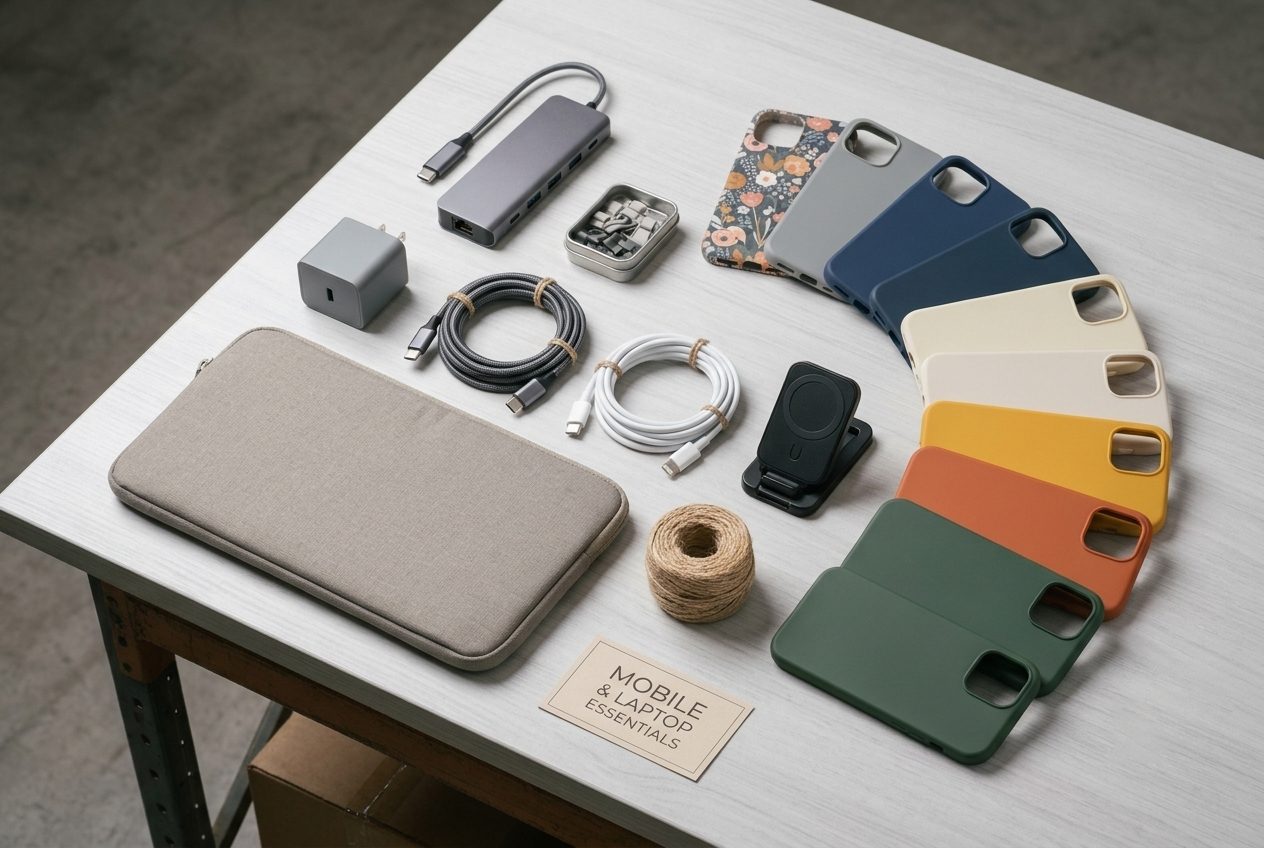
Here is the category nobody puts first in a list of ecommerce business ideas, and probably should. Cables, chargers, phone cases, laptop sleeves, mounts and adapters average an 11 to 15 per cent return rate, roughly a third of what fashion carries. They are also light, flat and cheap to ship.
Compatibility is the thing to get right, because most returns here come from a buyer ordering the wrong fit. Keep listings precise about model numbers and supported devices. Margins are thinner than beauty, so this is a volume play that works mainly because the losses are small.
13. Subscription-Based Products
A subscription turns one sale into twelve. Coffee, pet food, razors, snacks, skincare refills and stationery kits all suit the model, because the product runs out on a schedule.
The maths is unusual here. You can afford to acquire a customer at a loss, provided they stay four or five months, which makes retention the whole business rather than a department of it. Keep the first box simple and the cancellation easy, because lock-ins generate complaints rather than revenue. Start with 50 subscribers and fulfil them by hand before you automate anything.
14. Digital Products
Templates, courses, presets, printables and e-books carry no stock, no packaging and no freight, which removes most of the problems on this page. What replaces them is discovery, because with no physical scarcity you compete on trust alone.
Tax treatment differs from goods, and the registration threshold for services is not the same as the one for products, so check your position with a tax advisor. Digital also pairs neatly with a physical range: sell the planner, then sell the printable refill that goes inside it.
E-commerce Business Ideas Based on Investment
Capital decides more than interest does, so the ecommerce business ideas above look very different depending on what you can put in. The bands below cover the main ecommerce business models and what each one asks of you at the start, as of [PRICING AS-OF DATE: Month YYYY]. Treat every figure as a planning range rather than a quotation, because freight, packaging and photography costs vary by city.
Investment band | Typical starting capital | Models that fit | What the money mostly buys |
Low | Under ₹50,000 | Dropshipping, print on demand, digital products, small-scale reselling | Listings, photography, samples, early advertising |
Medium | ₹50,000 to ₹3,00,000 | One narrow private-label category, handmade at small-batch scale, subscription boxes | First stock run, packaging, basic branding |
High | Above ₹3,00,000 | Own-brand manufacturing, bulky categories, multi-category stores | Inventory depth, tooling, storage, a small team |
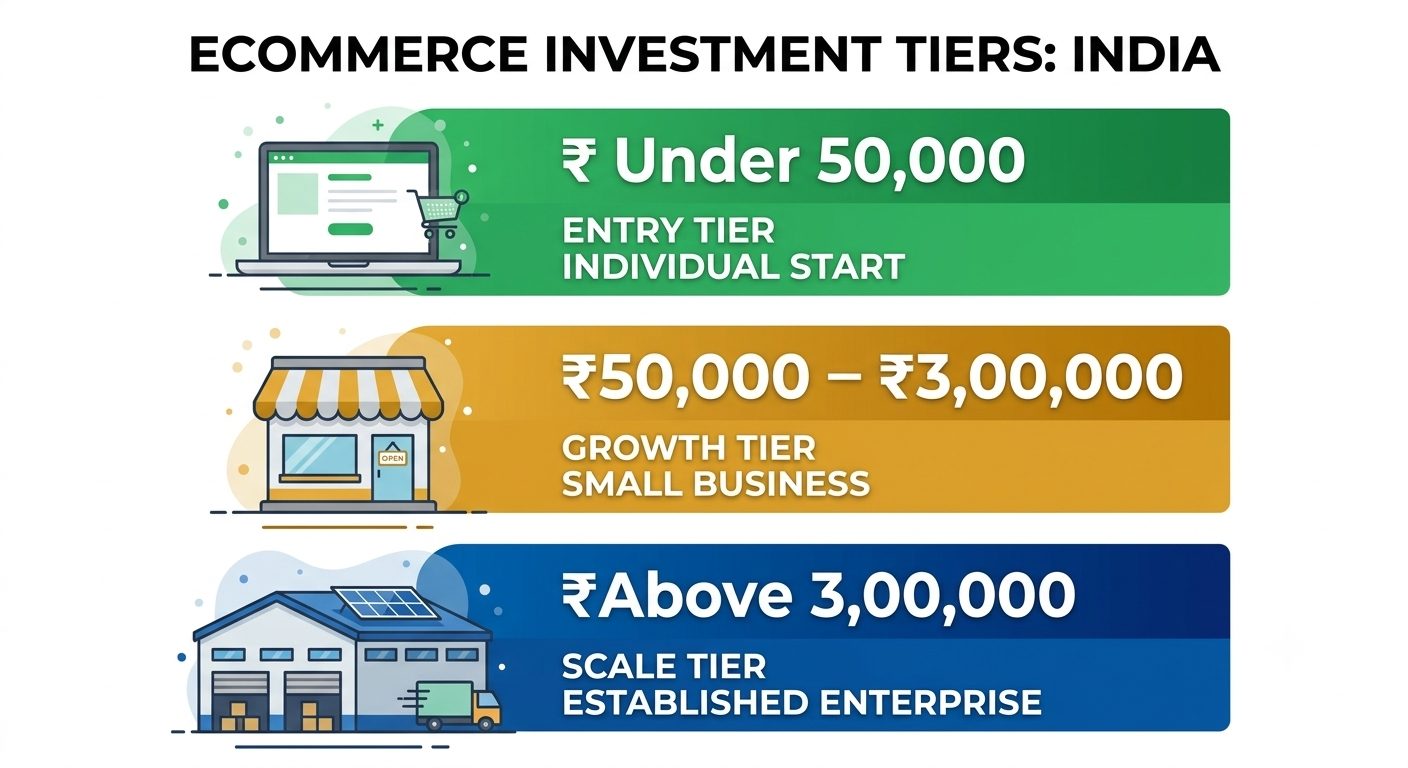
Low investment ecommerce business ideas suit anyone testing demand before committing stock. A dropshipping business in India lets the supplier hold and ship the inventory while you handle listing and service. Capital stays free, though your reputation now rests on someone else's packing quality. A reselling business online runs on the same principle with sourced stock. These are also the obvious small ecommerce business ideas for anyone building a shop alongside a job.
The medium band is where most profitable ecommerce business ideas actually live, because owning your stock is what gives you both margin and a brand. The high band belongs to founders who already know their category well. Whichever band you sit in, the honest ecommerce ideas to make money are the ones you can model before you launch. State your cost per unit, your freight per order and your expected return rate first. Ecommerce startup ideas fail on unit economics far more often than they fail on demand.
Essential Supplies for Running an E-commerce Business
Nobody asks how to start ecommerce business operations properly until the first ten orders go out badly packed. This is the part the idea lists skip, and it is where a surprising share of your margin leaks away. Here is what an order needs from the moment it arrives.
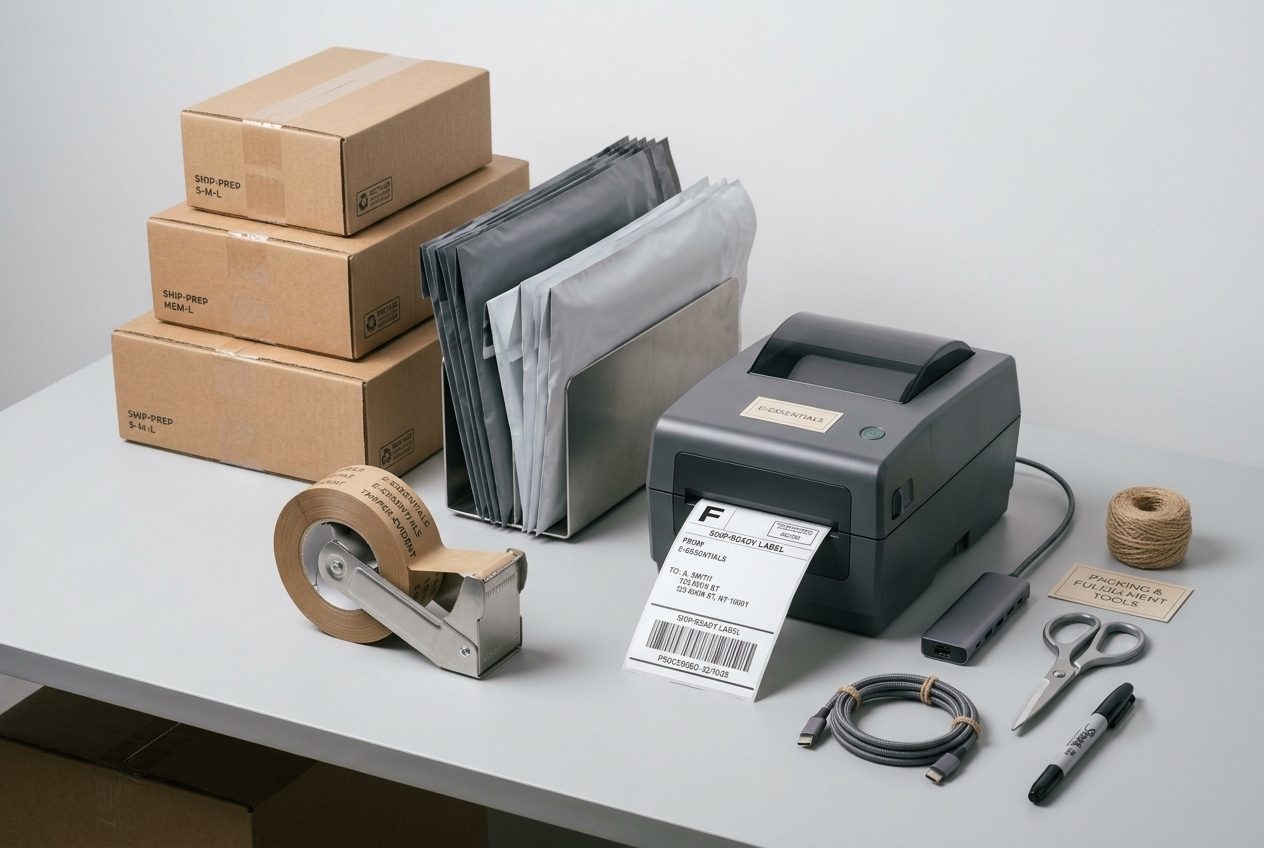
Packaging: Corrugated boxes in three sizes, poly mailers for soft goods, paper or bubble void fill, tamper-evident tape and a thermal label printer. Buy packaging supplies by the carton rather than the piece. The per-unit gap between a 10-box pack and a 200-box pack is often the difference between a loss and a margin on a small order.
Workspace: A table you can pack on while standing, a weighing scale accurate to five grams, scissors, markers and a shelf system with bin labels. Order accuracy collapses the moment stock starts living in unmarked cartons on the floor.
Stock and sourcing. Buy your first run small and your second run informed. Bulk purchasing lowers your landed cost once you know what sells, and buying through an Amazon Business account keeps every invoice in one place at audit time. Track three numbers from day one: cost per unit, freight per order, and days of cover. Reorder against the third number rather than against a hunch, because a stockout in a festive week costs you more than the extra stock would have.
Documents and admin. A permanent account number (PAN), a current account, invoice templates carrying the correct tax fields, and one simple sheet logging every purchase bill you receive.
Shipping and returns. A courier account or marketplace fulfilment, a dedicated returns shelf, and a written rule for what happens to opened stock. Returns are ordinary volume, so set that shelf up in week one. COD still accounts for over half of online purchases in India, and roughly a quarter to a third of operating cost in this market sits in parcels that come back.
Common E-commerce Mistakes New Sellers Should Avoid
Most of the ecommerce business ideas on this page work. What stops them is a short list of avoidable errors, and nearly all of them show up inside the first ninety days.
1. Starting without an ecommerce business plan. One page will do: what you sell, at what cost, at what price, to whom, and how many units a month make it worth doing. Founders who skip this discover their freight cost after they have already set their price.
2. Ignoring the GST position. Section 24(ix) of the Central Goods and Services Tax Act, 2017 removes the usual threshold exemption for people supplying through a marketplace that collects tax at source. Registration can therefore apply from your very first order. Notification No. 34/2023, effective 1 October 2023, reopened a route for small sellers. The conditions are specific: stay below the threshold, sell inside a single state, make no inter-state supply of goods, and hold a valid PAN. Sellers who meet all of them use an enrolment number instead of full registration. Your own position depends on your facts, so confirm it with a tax advisor. Either way, GST invoices are what let business buyers claim input tax credit (ITC) of up to 18 per cent, and what make your own purchase bills usable at audit.
3. Pricing before you know your return rate. A good return-to-origin rate is around 10 to 15 per cent for well-run operations. The Indian average sits at 20 to 30 per cent, depending on category, geography and payment mix. If your margin cannot absorb a fifth of your orders coming back, your price is wrong.
4. Buying too much stock too early. Cash locked in slow-moving inventory is the most common way a profitable-looking business runs out of money.
5. Treating ecommerce marketing ideas as a launch activity. Discovery runs in every month of the year. Budget for it monthly and measure which channel brings repeat buyers rather than first orders.
6. Skipping the paperwork. Keep every purchase invoice from day one. Reconstructing a year of bills in March is expensive, and missing invoices mean tax credit you simply cannot claim.
Conclusion
The ecommerce business ideas worth your time are the ones that still work after returns, freight and tax. India's e-commerce market is projected to reach ₹32.82 lakh crore by 2030, growing at a compound annual growth rate of 18.4 per cent. Demand is not your constraint; your unit economics are. Pick one category and keep the first stock run small. Get your invoices in order before the volume arrives. That discipline is where savings compound, because sharper sourcing and clean, GST-compliant purchase records protect margin on every single order. Ready to source stock for one of these ecommerce business opportunities in India? Register with Amazon Business and start pricing your first run today.
FAQs
Have questions?
